Blog
Why Global Connectivity Matters for Modern Travelers
Categoria: Uncategorized
Unlock Global Data with the Best Travel eSIM for Your Next Trip
A travel eSIM is a digital SIM card that activates instantly upon arrival at your destination, eliminating the need to swap physical cards. Unlike traditional roaming, it connects you to local networks in over 200 countries while keeping your home number active. You can purchase and install a travel eSIM online before your trip, enabling seamless data access without searching for a local provider. Using a QR code and an app, setup takes just minutes, offering flexible data plans without contracts or hidden fees.
Why Global Connectivity Matters for Modern Travelers
For modern travelers, global connectivity through a travel eSIM is the new passport to seamless exploration. It eliminates the frantic search for local SIM cards or unreliable public Wi-Fi, ensuring your navigation, translation apps, and booking confirmations work the instant you land. This constant access transforms an unfamiliar city into a manageable space, allowing you to adapt plans on the go without losing contact with home or work.
It is the difference between traveling as a disconnected visitor and navigating as a digitally empowered local.
A travel eSIM ensures your digital lifeline stays consistent across borders, making spontaneous detours and last-minute reservations stress-free rather than logistical nightmares.
From Roaming Fees to Seamless Access: The Shift in Mobile Tech
The shift from worrying about roaming fees to enjoying seamless access is the real game-changer in mobile tech for travelers. Instead of landing abroad and immediately hunting for Wi-Fi or fretting over daily charges, travel eSIMs let you stay connected the moment you step off the plane. This switch follows a simple sequence: first, you ditch the physical SIM card and its sky-high per-megabyte costs. Then, you scan a QR code to install a local data plan before your trip. Finally, your phone automatically latches onto the best local network, so you can navigate maps, share photos, and call a ride without ever thinking about your carrier’s old roaming rates.
- Replace your physical SIM and its unpredictable fees with a digital eSIM profile.
- Install the plan at home via a simple QR or app, avoiding airport kiosks.
- Land and activate instantly—your phone handles network switching in the background.
How Digital Nomads and Tourists Stay Online Abroad
Digital nomads and tourists avoid connectivity gaps by using a travel eSIM, which activates local networks instantly upon arrival without physical SIM swaps. They manage data usage through apps that track consumption per country, allocating high-speed allowances for work calls or navigation. A travel eSIM allows seamless switching between regional carriers when signal weakens, critical for remote workers attending virtual meetings. Tourists rely on real-time maps and translation tools without hunting for public Wi-Fi, while nomads maintain cloud access and VoIP clarity. This direct network integration eliminates roaming fees, keeping both groups reliably online across borders.
A travel eSIM provides immediate, multi-network access abroad, allowing digital nomads and tourists to stay online without physical SIM swaps or roaming charges.
Understanding the Core Technology Behind Embedded SIMs
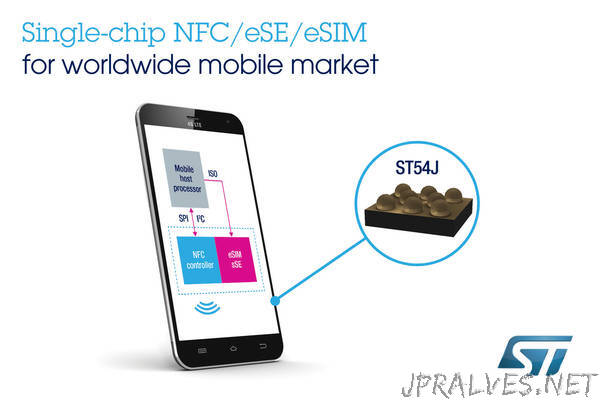
Understanding the core technology behind embedded SIMs reveals why travel eSIMs are superior to physical cards. An **embedded SIM** is a permanent, non-removable chip soldered directly onto a device’s motherboard, designed to the GSMA’s remote provisioning specification. For travelers, this means you no longer need to swap plastic SIMs. Instead, you download a digital profile—a secure applet containing your operator credentials—over a network connection. This profile is stored in the chip’s secure element, isolating it from the device’s operating system. Switching to a local travel plan becomes a simple digital transaction, as the **remote SIM provisioning** protocol securely rewrites the chip’s active data. This removes physical fragility, eliminates airport kiosk queues, and lets you hold multiple travel profiles for instant activation upon landing.
The Difference Between Physical SIM Cards and Integrated Chips
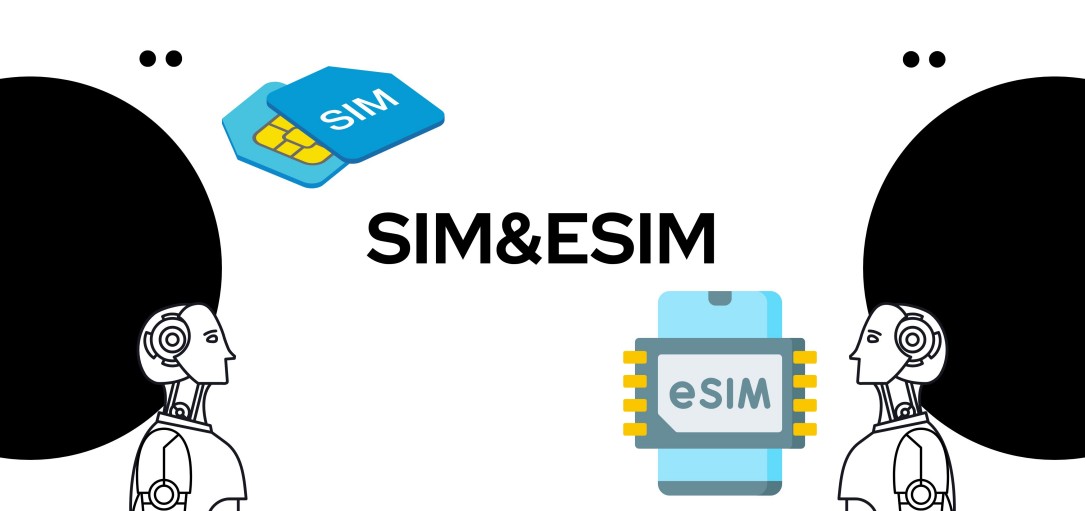
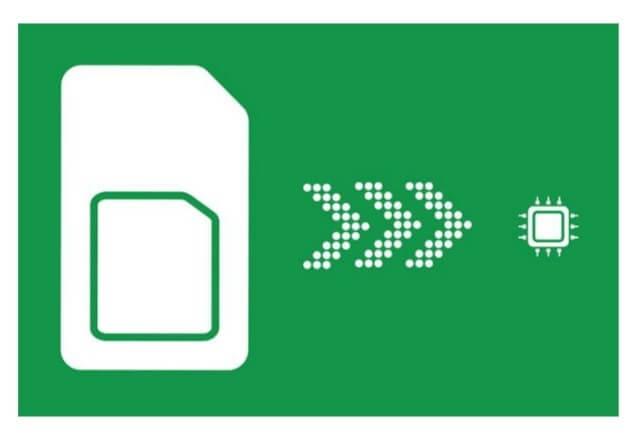
The core difference between a physical SIM card and an integrated chip (eUICC) lies in its form and programmability during travel. A physical SIM is a removable plastic card you manually swap to change carriers, requiring you to carry a spare or purchase a local one at your destination. An integrated chip is soldered directly onto your device’s motherboard, allowing you to download travel eSIM profiles remotely. This shift eliminates the need for handling tiny cards or risking loss. Remote profile switching becomes a matter of scanning a QR code or tapping a menu, not finding a nano-SIM tray.
- Installation sequence: With physical SIMs, you must insert the card and wait for manual recognition. With integrated chips, you simply scan a QR code before your trip, and the profile activates upon network connection.
- Carrier management: A physical SIM locks you to one carrier until physically swapped. The integrated chip stores multiple profiles, enabling instant switching between travel eSIM plans without opening your device.

How Remote Provisioning Works Without Swapping Cards
Remote provisioning lets you switch travel plans without fumbling for a physical card. Instead, your device downloads a new operator profile directly onto the embedded SIM via a secure internet connection. An OTA (over-the-air) delivery activates the profile, so you simply scan a QR code or tap an app to install data plans for your destination. The old profile stays dormant or gets deleted, freeing up space for your next trip. No pit stops at a shop, no tiny tray to lose.
- Download a new profile directly to your eSIM over Wi-Fi or cellular data.
- Activate it with a QR scan or app tap—no card swap needed.
- Keep multiple profiles Singapore eSIM (like one for Japan, one for Spain) and toggle between them.
- Delete old profiles when done to make room for new remote provisioning activations.
Key Advantages of Using a Digital SIM While Exploring
Using a digital travel eSIM eliminates the hunt for local SIM cards or costly roaming plans. You activate coverage before departure via a simple QR code, securing immediate connectivity upon landing. This means instant access to maps, ride-hailing, and translation apps without navigating foreign kiosks. Furthermore, you can manage multiple data plans from various countries directly on your device, switching profiles as you cross borders.
The key insight is that you maintain your primary number for verification messages while a separate eSIM profile handles budget data, removing the need to swap physical cards.
This seamless, dual-line flexibility ensures you stay navigable and reachable throughout your entire trip.
Instant Activation Before or During a Trip
Instant activation eliminates the logistical friction of sourcing a local SIM upon arrival. Instead of hunting for a telecom kiosk in an unfamiliar airport, travelers can purchase and install the eSIM profile from home, ensuring connectivity the moment their plane lands. Alternatively, activation can be performed mid-trip if an existing signal fails or a new destination is added. This flexibility means you are never without data access, directly supporting seamless travel connectivity without disrupting your itinerary. The process is entirely digital, requiring only a stable Wi-Fi connection for installation, which removes the need for physical card swaps or store visits.
Cost Savings Versus Traditional International Roaming Plans
Traditional roaming plans often slap on daily fees or per-MB charges that can rival a nice meal. A travel eSIM, on the other hand, lets you buy a local data pack for a flat, often tiny fee—saving you anything from 50% to 90% on your phone bill. You skip surprise overage charges and pay only for what you need. Affordable local data rates make the difference obvious.
- One tour’s worth of roaming fees can cover a week’s eSIM data.
- No hidden per-minute or per-text add-ons.
- Prepaid plans let you stick to a budget without hidden charges.
- Skip pricey daily passes by activating a cheap regional plan instead.
Managing Multiple Profiles for Frequent Cross-Border Travel
Frequent cross-border travelers benefit from digital SIMs that support multiple profiles, allowing them to pre-load regional or country-specific data plans. You can instantly toggle between a home profile for banking apps and a local travel profile for maps, avoiding SIM swaps. This eliminates the need to carry physical cards or queue for local SIMs at each border. Managing these profiles via a single app provides clarity on which plan is active, preventing accidental roaming charges. Pre-configuring profiles before departure ensures seamless connectivity upon arrival, as the eSIM automatically connects to the strongest local network without manual intervention.
Managing multiple profiles via a single travel eSIM allows frequent cross-border travelers to switch between pre-loaded plans instantly, avoiding physical SIM swaps and unexpected roaming fees.
Selecting the Right Service for Your Itinerary
When selecting a travel eSIM for your itinerary, prioritize compatibility with your specific destinations. Check coverage maps for the regions you will visit, as some providers offer only regional or global plans. For a multi-country trip, a single regional eSIM is often more convenient than multiple local ones. If your itinerary stays within one country, a local or country-specific plan is typically cheaper. Q: How do I pick between a regional and a local eSIM? A: Choose regional for trips spanning multiple adjacent countries; choose local for extended stays or single-country visits to avoid paying for unused coverage. Always verify data allowances, validity duration, and whether your device supports eSIM before purchasing.
Regional Plans vs Global Data Packages: Which Fits Best
Deciding between a regional plan and a global data package really comes down to your specific route. Regional plans for travel eSIM shine when you’re hopping between neighboring countries, like backpacking through Southeast Asia or touring the EU, because they bundle multiple destinations into one affordable bucket. Global packages, however, are your lifeline for scattered, multi-continent trips where a single regional zone won’t cut it. To pick the best fit:
- Map out every country on your itinerary.
- Check if a regional plan covers all of them.
- If not, grab a global package for seamless, widespread connectivity.
Data Speeds, Coverage Maps, and Network Partners
When choosing a travel eSIM for your itinerary, scrutinize promised data speeds against local network partners. A provider boasting «5G» may only reach 4G speeds if it relies on a budget partner network abroad. Always consult the provider’s coverage map, not just a list of countries, to verify signal density in rural areas or airports you’ll visit. Network partners—Tier-1 operators like Vodafone or T-Mobile—often dictate real-world performance more than the plan’s headline. Q: If a map shows 4G coverage in my destination, can I still get slow data? A: Yes, if the eSIM connects to a weak or overloaded partner tower; check map legends for “best-effort” speeds and partner names before purchasing.
Evaluating User Reviews for Real-World Performance
When evaluating user reviews for a travel eSIM, prioritize comments detailing real-world speed and connectivity at specific destinations. Look for reviews mentioning actual data throughput during peak hours, not just installation ease. Cross-reference complaints about dropped signals in subway stations or rural areas to identify consistent network issues. Filter for recent reviews from travelers visiting your exact itinerary cities, as performance varies drastically by local infrastructure. Speed tests posted by users offer the most honest baseline, unlike vague praise for «good service.» Avoid reviews focused solely on price or activation.
Focus on recent, location-specific reviews with speed test results or explicit connectivity complaints to gauge true everyday performance for your route.
Step-by-Step Guide to Setting Up Your Connection
Before you travel, purchase and download your travel eSIM from a provider’s app or site. Once at your destination, turn off your primary SIM in settings to avoid roaming fees, then activate the eSIM line by toggling it on. Your phone will automatically connect to a local network. If it doesn’t, manually select a network from the list in cellular settings. Keep in mind that data might not work instantly if the APN settings need a quick manual refresh. Finally, enable data roaming for that specific line—most travel eSIMs require it—and you’re online.
Checking Device Compatibility Before You Depart
Before purchasing a travel eSIM, verify that your smartphone is carrier-unlocked and eSIM-compatible. Check your device’s settings: on iPhone, navigate to Settings > Cellular > Add eSIM; on Android, go to Settings > Connections > SIM Manager. If the eSIM option is missing, your phone likely lacks hardware support. Also confirm that your device isn’t locked to a specific carrier, as locked phones block third-party eSIM profiles. Finally, review your manufacturer’s list of supported eSIM models online, as older devices may not include this hardware.
Downloading the App and Purchasing a Plan
First, download your chosen eSIM provider’s app from the official app store. Open it and create an account, which typically requires an email and verification. To purchase a plan, navigate to the store or plans section, where you will select a data package based on your destination and duration. Carefully review included data limits and validity periods before proceeding to checkout. Payment is processed securely within the app, with a travel eSIM plan activated via a QR code or direct installation. Ensure you complete this purchase while still on Wi-Fi to avoid data charges during setup. The entire transaction is managed digitally, with no physical SIM required.
Installing the Profile and Troubleshooting Common Issues
After purchasing, you’ll install the eSIM profile, usually via a QR code or app link. First, ensure your phone is connected to Wi-Fi. On iPhone, go to Settings > Cellular > Add Cellular Plan and scan the QR. On Android, head to Settings > Connections > SIM Manager > Add eSIM. If the profile doesn’t appear, try restarting your device or re-scanning the QR code in bright lighting. For activation delays, toggle Airplane Mode on and off. If you see “No Service,” manually select the local network in your device’s carrier settings. Common fixes include:
- Confirm your phone is unlocked for eSIM use.
- Delete and re-install the profile from the provider’s portal.
- Check that your travel dates haven’t started yet – some plans activate only on the selected start date.
Comparing Popular Providers in the Market
When comparing popular travel eSIM providers, you’ll find that Airalo often wins on sheer global coverage, letting you activate a regional plan from your seat at the gate. In contrast, Holafly focuses on unlimited data allowances for single-country trips, making it ideal for heavy streamers navigating a foreign city. I once relied on Ubigi for a Japan trip because its local carrier partnerships delivered faster speeds in the subway than my friend’s Airalo could manage. The nuanced difference is that coverage maps often overpromise but real-world connectivity varies by local network congestion, so check recent user reviews for your specific destination before committing.
Airalo: Flexibility and Wide Coverage Options
Airalo excels in offering travelers unmatched global connectivity flexibility, allowing you to mix regional plans with single-country eSIMs for any itinerary. You can purchase data packages just minutes before departure or while abroad, then switch between active profiles without swapping physical cards. Coverage extends to over 200 destinations, ensuring you stay connected from major cities to remote islands. This modular approach lets you customize data allowances or duration precisely for your trip, avoiding rigid bundles.
- Choose local, regional, or global eSIMs for layered coverage across your exact route.
- Activate or top up instantly via the app, even mid-journey.
- Switch between active plans on compatible devices without removing previous eSIMs.
Holafly: Unlimited Data Offers for Heavy Users
For heavy data users, Holafly’s unlimited data offers for heavy users remove the stress of tracking gigabytes while traveling. Unlike capped plans, these eSIMs provide truly unlimited high-speed data in over 160 destinations, with no throttling hidden in fine print. Users simply install the eSIM before departure and activate upon arrival, benefiting from consistent 4G/LTE speeds for streaming, navigation, and video calls. Plans are duration-based, ranging from 1 to 90 days, allowing travelers to pick a period matching their trip. While unlimited data is the core, Holafly does not include voice minutes or local phone numbers, so users rely on VoIP apps for calls.
Nomad eSIM and Other Emerging Competitors
Nomad eSIM stands out with its intuitive app interface and competitive multi-country plans, often undercutting rivals for regional travel. Competitors like Maya Mobile offer similar flexible packages but with a narrower global coverage, while Jetpac excels with ultra-fast data speeds for video streaming. Airalo provides a massive network selection, but Nomad edges ahead for those wanting hands-on support via 24/7 chat. For frequent travelers, Nomad’s wallet-friendly regional bundles and easy top-ups make it a dynamic choice against these emerging names. A quick comparison clarifies key differences:
| Provider | Best For | Standout Feature |
|---|---|---|
| Nomad eSIM | Multi-country trips | 24/7 live support |
| Maya Mobile | Flexible short plans | Customizable data caps |
| Jetpac | High-speed streaming | 5G priority on networks |
| Airalo | Broadest country options | Budget local packs |
Tips for Getting the Best Performance on the Road
To get the best performance from your travel eSIM on the road, first optimize your device’s network settings by manually selecting a local carrier instead of relying on automatic roaming. Before departure, download offline maps and essential apps while on Wi-Fi to conserve data for real-time needs. On arrival, disable background app refresh and push notifications for non-essential services to prevent data drain. For stable connections in crowded areas, switch your device to the 4G LTE band if 5G signals are weak. Finally, monitor your data usage through the eSIM provider’s app to avoid throttling, and enable data-saving mode in your browser.
Optimizing Battery Life When Using Cellular Data Abroad
When using an eSIM abroad, optimizing battery life with cellular data is crucial since your device often searches harder for foreign networks. Manually disable 5G and switch to 4G/LTE in your settings, as 5G chipsets consume more power on weak signals. Turn off background app refresh for non-essential apps to prevent hidden data checks. Use offline maps and downloaded content to avoid constant reconnections.
- Restrict data to a single active eSIM line by disabling your primary SIM’s roaming.
- Reduce screen brightness and enable low-power mode, as high display usage drains battery faster during data sessions.
- Deactivate automatic push notifications for email and social media while roaming.
Understanding Data Throttling and Fair Usage Policies
After burning through initial high-speed data, many travel eSIM plans quietly activate fair usage policies that throttle speeds, often dropping you to frustratingly slow 2G or 128kbps. This kicks in once you exceed a daily or total cap, regardless of remaining data. For navigation or messaging, throttled speeds might suffice, but streaming video or video calls becomes impossible. To avoid surprises, check your plan’s specific capped data limit before buying, and monitor usage through the provider’s app. Consider purchasing plans with no throttling guarantee, or carry a secondary eSIM from a different carrier for backup if your primary gets slowed mid-trip.
Backing Up Connectivity with Local Wi-Fi Hotspots
When your travel eSIM signal weakens inside buildings or remote areas, activating a local Wi-Fi hotspot provides an immediate fallback. Backing up connectivity with local Wi-Fi hotspots ensures you maintain access for mapping and messaging when cellular data falters. Before relying on any network, verify the hotspot’s legitimacy through the venue’s staff or official login portal to avoid spoofed connections. Pairing this option with your eSIM for critical tasks, like two-factor authentication, reduces strain on a single network. Most modern devices allow you to prioritize Wi-Fi over mobile data, automatically switching to your eSIM only when the hotspot drops, preserving your travel eSIM’s data allowance.
Security and Privacy Considerations for Roaming Connections
When using a travel eSIM, your primary security consideration is eliminating physical SIM swap risks, as the eSIM profile is embedded and remotely provisioned. However, always connect to a trusted local network; a travel eSIM does not encrypt your data over public Wi-Fi, so a VPN is essential for protecting traffic from interception.
The eSIM’s remote management reduces exposure to local SIM card cloning, but your privacy hinges on the eSIM provider’s data handling—choose one with a strict no-logging policy on browsing activity.
Avoid performing sensitive transactions, like banking, on roaming connections unless you have verified both the eSIM’s end-to-end encryption and the host network’s security standards.
How Encrypted Profiles Protect Personal Information
An encrypted profile serves as a digital vault for your personal data during travel eSIM activation. When you install a roaming eSIM, your identity credentials and network keys are scrambled using advanced encryption before they reach your device. This ensures that if intercepted during transmission, the data remains indecipherable to hackers or third parties. Only your phone’s secure element, which holds the decryption key, can read the profile. This means your verified identity is never exposed in plaintext, making encrypted profile protection a critical barrier against identity theft and unauthorized network access while roaming. The ciphering process effectively isolates your sensitive information from prying eyes on foreign networks.
Avoiding Fake Providers and Phishing Scams
When shopping for a travel eSIM, stick to well-known app stores or the provider’s official website, not random search ads or social media links. Avoid fake provider listings by double-checking the URL for subtle misspellings or unusual domains. Scammers often create pressuring countdown timers to rush your purchase, so take a breath and verify. Look for clear contact info and real user reviews on independent forums before buying. If an eSIM site asks for unnecessary details like your passport number, it’s a red flag. For phishing scams:
- Never click links in unsolicited emails or texts promoting travel eSIM deals.
- Check that the payment page uses «https://» and a padlock icon.
- Use a one-time virtual credit card for added safety.
- Download eSIM profiles only within the provider’s official app, not via emailed QR codes.
Future Trends in Mobile Connectivity for International Trips
Future trends in international mobile connectivity will see travel eSIMs integrating real-time network switching across multiple local carriers, automatically selecting the strongest signal without manual intervention. Users will benefit from dynamic data pooling, where unused data from one trip rolls over into a shared family or device account for subsequent journeys. This seamless handoff between 5G standalone and satellite fallback networks will eliminate dead zones entirely, even in remote areas. Concurrently, embedded eSIM profiles will support instant activation of location-specific data bundles triggered by arrival notifications, ensuring connectivity before passport control. Such advancements aim to replace physical SIMs permanently, making prepaid roaming obsolete for frequent travelers.
The Rise of IoT Devices and Travel Tech Integration
Your travel tech ecosystem is expanding beyond just a phone. Thanks to seamless IoT roaming with eSIM, you can now activate data for smart luggage that reports its GPS location, a portable translator for real-time chats, and a dashcam for rental car safety, all on one plan. These gadgets connect directly, so you never fumble with local SIMs or public Wi-Fi. The eSIM profile manages each device, making your suitcase and camera as connected as your smartphone.
- Link smart luggage trackers to your eSIM plan for real-time location updates.
- Use a connected translator earpiece that pulls data from your main travel eSIM profile.
- Activate a portable Wi-Fi hotspot that shares your single eSIM plan with your laptop and tablet.
How 5G Networks Are Transforming On-the-Go Access
5G networks are revolutionizing on-the-go access for travelers by slashing latency and boosting bandwidth, enabling seamless high-speed connectivity from arrival to departure. With an eSIM, you instantly leverage 5G’s capacity to buffer 4K video calls and update cloud itineraries without lag. Real-time navigation becomes flawless, rerouting around congestion in crowded airports or cities. Downloads of offline maps and large attachments happen in seconds. This infrastructure fundamentally shifts travel from reactive to proactive, turning every terminal and street corner into a productive zone.
5G networks transform on-the-go access by delivering ultra-fast, low-latency performance through eSIMs, making every moment of travel a connected opportunity.
